I Didn't Expect Diode Laser Engravers to Improve This Much
A few years ago, diode laser engravers were often seen as entry-level machines—something you bought when a CO₂ laser wasn't within budget. They were compact, affordable, and suitable for basic engraving projects, but their capabilities were limited.
That perception has changed significantly.

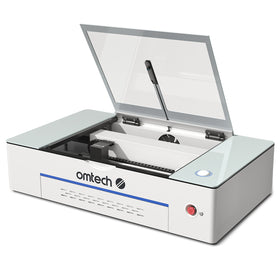
Modern diode lasers offer higher optical power, improved beam quality, faster engraving speeds, and far greater versatility than earlier generations. Today's 20W, 30W, and 40W diode systems can cut thin wood, engrave detailed graphics, personalise leather goods, and even mark certain coated metals with impressive results.
If you've dismissed diode laser technology in the past, it may be time for a fresh look.
What Is a Diode Laser Engraver?
A diode laser uses a semiconductor chip to generate laser light directly.
Unlike CO₂ lasers, which rely on a gas-filled tube, or fibre lasers, which use specialised optical fibres, diode lasers are compact solid-state systems with relatively simple construction.
This design offers several advantages:
- Lower purchase cost
- Compact machine size
- Reduced maintenance requirements
- No water cooling system
- Easy setup and operation
Many desktop diode lasers can be installed and ready to use within an hour, making them particularly attractive for hobbyists, home workshops, schools, and small businesses.
Historically, power output was the main limitation. Earlier machines typically delivered between 5W and 10W of optical power, restricting them largely to engraving.
Today's higher-powered diode systems have changed that equation.

Where Diode Lasers Excel: Wood, Leather and Creative Projects
Wood remains one of the strongest applications for diode laser technology.
Materials commonly processed include:
- Plywood
- Pine
- MDF
- Bamboo
- Cork
- Cardboard
- Leather
- Fabric
A modern 20W diode laser can often cut thin plywood in a single pass and produce detailed photo engravings on timber surfaces with excellent clarity.
One of the biggest improvements in recent years has been beam quality. Modern diode systems feature much smaller spot sizes than previous generations, allowing for:
- Sharper text
- Better image detail
- More accurate engraving
- Cleaner cutting edges
For businesses producing personalised gifts, wooden signage, custom boxes, wedding products, or craft items, diode lasers can deliver impressive results without the footprint or cost of a larger CO₂ system.

Diode Laser vs CO₂ Laser: Which Is Better?
This remains one of the most common questions among new buyers.
The honest answer is that each technology serves different purposes.
CO₂ Lasers
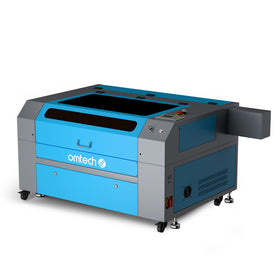
CO₂ lasers operate at a wavelength of 10,600nm and are particularly effective for:
- Acrylic
- Glass engraving
- Thicker wood
- Rubber
- Fabric
- High-volume production
If your business regularly cuts acrylic signage or works with glass, a CO₂ laser is usually the better choice.
Diode Lasers
Most diode lasers operate around 450nm.
This wavelength performs particularly well on:
- Wood
- Leather
- Dark materials
- Paper products
- Cardboard
However, clear acrylic presents a challenge because the laser beam passes through the material rather than being absorbed.
Reflective metals can also be difficult for standard diode systems.
Ultimately, the right choice depends on your materials and business goals.
What If You Need Both Metal and wood capabilities?
Many makers and small businesses work with a variety of materials.
For example:
- Wooden products
- Leather goods
- Metal tags
- Stainless steel promotional items
Traditionally, this meant purchasing separate machines.
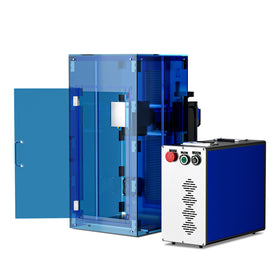
OMTech's Solis Duo Series approaches this differently by combining a fibre laser and a diode laser within a single platform.
The:
- Solis Duo 30W Fibre + 20W Diode
- Solis Duo 50W Fibre + 40W Diode
allow users to engrave metal with the fibre source while processing wood, leather, and organic materials with the diode source.
For businesses handling a broad range of materials, this can provide significant flexibility without requiring multiple standalone systems.
Can a Diode Laser Engrave Metal?
The answer depends on the type of metal.
Bare Metal
Most diode lasers struggle with:
- Stainless steel
- Aluminium
- Brass
- Copper
because these materials reflect much of the laser energy.
Coated Metal
Diode lasers perform far better on:
- Anodised aluminium
- Powder-coated products
- Painted metal surfaces
In these cases, the laser removes the coating to reveal the underlying metal, creating a visible mark.
For permanent marking of untreated metals, a fibre laser remains the preferred solution.
20W vs 40W Diode Lasers: Does More Power Matter?
Yes—but perhaps not in the way many buyers expect.
Doubling the wattage does not necessarily double engraving depth.
Instead, higher power typically improves:
- Cutting speed
- Material thickness capability
- Production efficiency
- Consistency across different materials
For example:
A 20W diode laser is often sufficient for:
- Engraving timber
- Personalised gifts
- Leather work
- Thin plywood cutting
A 40W system becomes advantageous when:
- Cutting thicker materials
- Running production batches
- Reducing job times
- Processing denser timber species
For many users, 20W provides an excellent balance between cost and capability.
Why Diode Lasers Have Become More Attractive in 2026
One of the biggest changes in recent years has been value for money.
Modern diode systems now offer features once reserved for more expensive machines, including:
- Autofocus
- Larger work areas
- Higher optical power
- Improved software compatibility
- Better safety features
As a result, diode lasers have become a practical entry point for:
- Hobbyists
- Etsy sellers
- Market traders
- Personalisation businesses
- School workshops
- Small-scale manufacturers
For many users, they offer enough capability to start generating revenue without the larger investment required for a CO₂ or fibre laser.
When Should You Choose CO₂ or Fibre Instead?
While diode technology has improved dramatically, it still has limitations.
Consider a CO₂ Laser If You:
- Frequently cut acrylic
- Engrave glass
- Process thicker timber
- Require higher production speeds
- Run a dedicated signage business
Consider a Fibre Laser If You:
- Mark bare metals
- Produce industrial traceability markings
- Engrave jewellery
- Work primarily with stainless steel or aluminium
Choosing the right laser ultimately comes down to your materials, applications, and business objectives.
Frequently Asked Questions
What is a diode laser engraver best used for?
Diode lasers are ideal for wood, leather, bamboo, cork, cardboard, fabric, and coated metals. They are particularly popular for personalised gifts and craft products.
Diode or CO₂ laser: which should I buy?
If you primarily work with wood and leather, a diode laser is often the more affordable option. If you regularly cut acrylic or engrave glass, a CO₂ laser is usually the better investment.
Can a 20W diode laser engrave metal?
It can mark coated metals such as anodised aluminium and powder-coated items. For bare metal engraving, a fibre laser is recommended.
Is a 40W diode laser worth the extra cost?
For businesses that cut materials regularly or need faster production times, the additional power can significantly improve efficiency.
How long does a diode laser last?
Most diode laser modules are rated for approximately 10,000 hours or more, depending on operating conditions and maintenance.
The reputation of diode lasers has changed considerably over the past few years.
What was once considered an entry-level technology has evolved into a capable and affordable solution for many makers, hobbyists, schools, and small businesses.
They may not replace CO₂ lasers for acrylic processing or fibre lasers for metal marking, but for wood, leather, personalised products, and creative projects, modern diode systems offer impressive capability at an accessible price point.
For UK businesses looking to enter laser engraving without making a significant upfront investment, today's diode laser engravers are well worth considering.