How to Make Money with a Laser Cutter: 5 High-Margin Product Ideas for UK Small Businesses
If you’re thinking about starting a laser business—or scaling one—the real question isn’t:
“What can a laser cutter make?” It’s: “What actually sells—and makes money in the UK market?”
The good news: laser cutting and engraving turn low-cost materials into premium, personalised products with strong margins and consistent repeat demand.

Case Study: From Side Hustle to £6,500/Month Etsy Shop
Sarah, a small Etsy seller based in Bristol, originally bought a laser cutter just to make decorations for her own wedding. She quickly realised there was real demand when she started receiving consistent orders for personalised signs and gifts from friends and local followers.
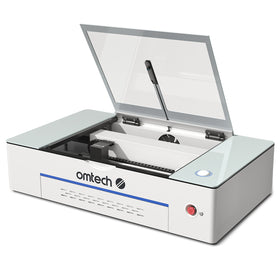
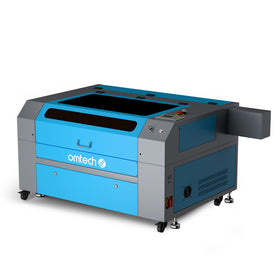
In the beginning, her biggest challenge wasn’t getting sales but keeping up with production; each item took too long to make and errors were common. After upgrading to a more powerful OMTech CO2 laser with a larger work area, she was able to batch-produce items, significantly reduce production time, and improve consistency. This allowed her to scale from a hobby earning around £800 per month to a legitimate business generating £5,000–£6,500 monthly, with peak seasons like Christmas and Mother's Day hitting even higher. Today, she focuses on high-margin products like wedding signage and bespoke gifts, relying on Etsy for traffic while building a workflow that scales with demand.
Top 5 Profitable Laser Product Ideas (UK Market)
1. Personalised Home Décor
Wooden Name Signs: Popular for nurseries and "new home" gifts.
Custom Door Hangers: Seasonal wreaths or family name plates.
Wall Art: Intricate maps of British cities or wooden mandalas.

2. Wedding & Event Essentials
Place Cards: Laser-cut names in acrylic or wood.
Cake Toppers: High-margin items that use very little material.
Table Numbers & Welcome Signs: Essential for the UK’s thriving wedding industry.

3. Kitchenware & Dining
Engraved Cutting Boards: A staple for "Housewarming" or "Anniversary" gifts.
Slate Coasters: Low material cost (approx. 50p), high perceived value (£5-£8 each).
Personalised Rolling Pins: Popular for keen British bakers.

4. Corporate & Promotional
Branded Signage: Desktop logos for reception desks or local cafés.
Custom Keyrings: Bulk orders for estate agents or car dealerships.
Award Plaques: Recognitions for local clubs and corporate events.

5. Bespoke Accessories
Jewellery: Lightweight acrylic earrings or wooden pendants.
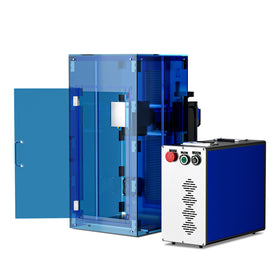
Pet Tags: Stainless steel or brass tags (requires a Fibre laser or marking spray).
Phone Stands & Tech Organisers: Practical items for home offices.

How to Choose the Right Products (Important)
Don’t try to sell all 15 at once. Focus on products that are:
Easy to personalise: Customers pay for the name/date, not just the object.
Fast to produce: Time is your most expensive resource.
Lightweight: Keeps Royal Mail or courier postage costs low.
Repeatable: Designs that allow for "Batch Processing."
Best Starter Combo:
Wooden signs + Cutting boards + Acrylic keyrings. This covers weddings, home décor, and small gifts with one material setup.
Pricing Strategy (Don’t Undersell Yourself)
Most UK beginners price too low because they forget to factor in their time and electricity.
Simple Formula:
Price = (Material Cost × 3–5) + Hourly Rate + Brand Value
Example:
Material Cost: £5
Retail Price: £25–£55
Remember: You’re selling customisation + convenience, not just a piece of wood.
Production Tips to Maximise Profit
Batch Everything: Instead of running 1 item at a time, fill the entire laser bed with 10–20 pieces per job. This saves setup time and significantly increases hourly output.
Save Your Settings: Create presets in LightBurn for Birch Plywood, Oak Veneer, and Cast Acrylic. This reduces errors and speeds up your workflow.
Use Jigs: Design a simple MDF template (jig) to hold multiple items (like coasters or pens) in the exact same spot every time. This ensures perfect alignment.
Standardise Designs: Create templates where you only change the text/name. Don’t reinvent the wheel for every order.
Scaling Your UK Laser Business
Once you have validated your products on Etsy or at local craft fairs:
Expand Your Channels: Move from Etsy to your own Shopify store to avoid high fees.
Go B2B: Transition from selling single items to consumers (B2C) to bulk orders for local businesses (B2B).
Add Revenue Streams: Offer "Rush Orders" for an extra £10 or premium "Gift Packaging" for £5. These can increase your total revenue by 20–40%.
Common Mistakes to Avoid
Trying to offer too many different products at once.
Ignoring niche selection (trying to sell to "everyone").
Underpricing your labour.
Not batching production runs.
Buying an underpowered machine that limits your speed.
Making money with a laser cutter isn’t just about the machine... it’s about the systems you build around it.