How to Create Personalized Awards With a Laser Engraver
I made my first custom award in 2021 — a small walnut plaque for a business partner’s five-year milestone. At the time, I’d only had a CO₂ laser for a few months and was mainly using it for prototyping. The plaque took about 40 minutes from design to finish. It’s still on his desk today. That was the moment it clicked: award production isn’t a niche — it’s one of the most practical, repeatable revenue streams you can build with a laser.
Across the UK, custom engraved awards are a steady source of work for small businesses, makers, and print shops. Schools, local councils, sports clubs, corporate HR teams, and charities all need awards throughout the year — and nearly all of them require personalisation.

This guide explains how to produce custom engraved awards in a UK market context: which materials to use, which laser suits each application, how to price your work in pounds, and how to structure a simple, scalable workflow.
Why Laser Engraving Is the Standard for Award Production
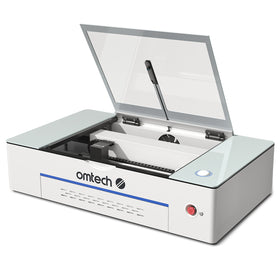
Before affordable desktop lasers, engraving often meant outsourcing or using rotary engravers with limited flexibility. A CO₂ laser changes that completely — design digitally, send the job, and produce consistent results without additional tooling.
For UK businesses, that flexibility matters:
- Fast turnaround for last-minute school or corporate orders
- Easy personalisation for names, dates, and logos
- Ability to handle both one-off and batch jobs
Real Business Example (UK Context)
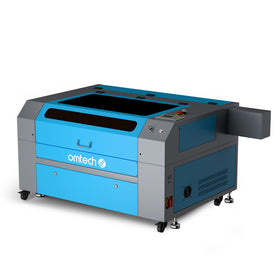
A small engraving business in Leeds started with a single 60W CO₂ laser, initially producing trophies for a local youth football league. Within two years, they added contracts with local businesses running quarterly employee recognition programmes. Today, they produce over 1,500 engraved items annually and have added a fibre laser for metal awards.

Award Materials: What Works Best
Your material choice determines the look, pricing, and machine requirements.
| Material | Typical Use | Laser Type | Result | UK Price Tier |
|---|---|---|---|---|
| Walnut / hardwood | Corporate plaques | CO₂ | Rich contrast, traditional | Mid-range |
| Acrylic | Modern awards | CO₂ | Frosted white finish | Low–mid |
| Slate | Commemorative gifts | CO₂ | Bright white on dark | Low |
| Glass / crystal | Premium awards | CO₂ | Frosted elegant finish | Mid–high |
| Coated aluminium | Sports / industrial | CO₂ / Fibre | High contrast | Mid |
| Stainless steel | Executive awards | Fibre | Permanent dark mark | Mid–high |
| Anodised aluminium | Colour awards | MOPA fibre | Multi-colour engraving | High |
In the UK market, wood, acrylic, and slate account for the majority of small-business orders.

Popular Award Types You Can Produce
Wooden Plaques
Best for: corporate recognition, long service awards
- A standard A4 or 8"×10" plaque takes ~15 minutes
- Widely used by UK companies and schools
- Strong perceived value with relatively low material cost
Acrylic Awards
Best for: modern corporate and sales awards
- Lightweight and easy to ship across the UK
- Custom shapes can be cut directly
- Clean, contemporary look
Slate Plaques
Best for: retirement gifts, memorials, personalised décor
- Extremely beginner-friendly
- High contrast engraving
- Popular on platforms like Etsy UK
Metal Awards
Best for: executive, military, industrial recognition
- Higher price point
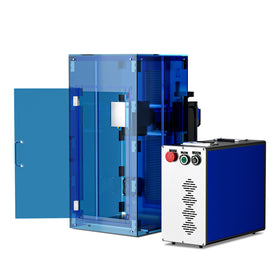
- Requires fibre laser for direct marking
- Long-lasting and premium feel
Core Engraving Techniques
1. Surface Engraving (CO₂)
Used for wood, acrylic, slate, glass
- Removes top layer for contrast
- Most common method in award production
2. Direct Metal Marking (Fibre Laser)
Used for stainless steel and raw metals
- Alters surface without removing material
- Permanent and highly durable
3. Colour Engraving (MOPA Fibre)
Used for anodised aluminium
- Produces coloured marks
- Used in premium branding or tiered awards
Typical UK Pricing (Realistic Ranges)
Pricing varies by region, but here’s a practical baseline:
- Wooden plaque: £45–£75
- Acrylic award: £40–£65
- Slate plaque: £30–£55
- Metal executive award: £90–£150+

Material costs are typically £6–£15 per piece, leaving strong margins when workflows are efficient.
Corporate clients often provide repeat business (quarterly or annual awards), which stabilises income.
How to Set Up an Efficient Workflow
Most delays in award businesses come from poor process — not equipment.
1. Standardise your order intake
Collect:
- Name spelling (critical)
- Award text
- Logo (vector file preferred)
- Deadline
2. Use templates
Create pre-set layouts for common sizes (A4, A5, plaques).
This saves hours over time.
3. Always test first
A quick test engrave avoids wasting materials.
4. Batch by material
Run all wood jobs together, then acrylic, etc.
5. Quality check everything
Typos are the #1 issue in award production.
6. Record your settings
Build your own material database — this becomes a major asset.
Why Awards Work So Well as a Business in the UK
- Regular demand from schools, councils, and clubs
- High perceived value vs. low material cost
- Easy to personalise and upsell
- Works as a home-based or small workshop business
Many UK laser users start with crafts, then move into awards because:
It’s more consistent
It scales more easily
And customers come back regularly
FAQs
What are custom engraved awards?
Personalised plaques, trophies, or gifts engraved with names, dates, and messages.
Which materials are best?
Wood, acrylic, and slate for most UK orders; metal for premium pieces.
Is it profitable?
Yes — margins are typically high, especially with repeat clients.
How long does it take to engrave one award?
10–30 minutes depending on material and complexity.
Do I need multiple machines?
A CO₂ laser covers most work. A fibre laser is added later for metal.
What’s the difference between custom and customised?
- Custom = fully unique design
- Customised = standard blank with personalised engraving