Top Tools for Engraving Metal: Which One Should You Choose?

Metal engraving has been a core craft for centuries, evolving from hand-carved details to high-speed laser technology. Whether you're an artisan creating detailed jewelry, a manufacturer marking industrial parts, or a hobbyist customizing keepsakes, choosing the right tool is crucial for high-quality results.
There are several ways to engrave metal—manual tools, rotary systems, and advanced fiber lasers. Each method has unique advantages, and selecting the best option depends on your goals. Manual tools offer artistic freedom but demand high skill. Rotary engravers are faster but less precise. Fiber lasers, however, lead the way in speed, accuracy, and durability.
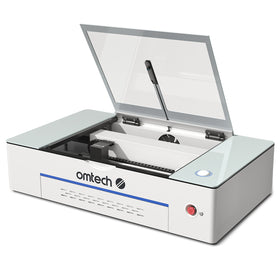
This guide outlines the most effective metal engraving tools and why OMTech’s Autofocus Fiber Lasers are the industry’s best choice for professionals and makers alike.
What Are Metal Engraving Tools Used For

Metal engraving tools are used across many industries for tasks such as:
-
Personalization – Names, initials, and artwork on jewelry, knives, watches, and gifts.
-
Industrial Marking – Serial numbers, barcodes, and logos on tools, parts, and aerospace components.
-
Artistic Design – Decorative details on brass, aluminum, and stainless steel.
-
Trophies and Plaques – Nameplates and awards featuring engraved text.
-
Automotive and Aerospace – VIN numbers, part codes, and branding marks.
The right tool depends on the type of metal, desired detail, and project speed.
Manual Engraving: The Traditional Method

Manual engraving uses chisels, burins, or gravers to carve directly into metal. It's ideal for watchmaking and fine jewelry where precision and artistry matter most.
While manual engraving allows full creative control, it requires years of experience and is time-consuming—making it impractical for mass production or tight deadlines.
Rotary Engravers: Mechanized for Speed
Rotary tools use a spinning bit to remove metal, offering a faster, mechanized solution. They come as handheld tools or CNC-style machines.
Two popular types:
-
Rotary Engraving Machines – High-speed cutters for signage, industrial labels, and nameplates.
-
Diamond Drag Tools – These scratch the surface with a diamond tip instead of cutting.
Rotary engraving is great for basic applications but lacks the finesse needed for highly detailed or very hard metals.
Laser Engraving: The Modern Standard

Laser engraving revolutionizes the process with unmatched precision and speed. It uses a focused beam to vaporize metal surfaces, leaving sharp, deep engravings.
CO₂ vs. Fiber Lasers
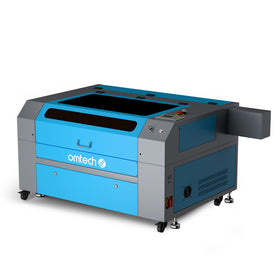
CO₂ lasers work well on materials like wood and plastic but struggle with bare metal unless it’s coated. Fiber lasers are the go-to solution for direct metal marking—including stainless steel, aluminum, brass, and titanium.
Why Fiber Lasers Are the Best Metal Engraving Tools
Fiber lasers are the most advanced, efficient, and precise engraving method for metal. Here's why professionals choose them:
-
Speed & Productivity
Fiber lasers work fast, making them ideal for high-volume projects without compromising quality. -
High Detail & Accuracy
Achieve intricate designs, small text, and sharp patterns—beyond the reach of traditional methods. -
Durability
Laser markings are resistant to wear, heat, and corrosion—perfect for industrial or outdoor use. -
No Contact, Less Wear
Because they don’t physically touch the metal, fiber lasers require less maintenance and last longer. -
Versatility
Suitable for a wide range of metals: -
Stainless Steel
-
Aluminum
-
Brass
-
Titanium
-
Copper
OMTech Autofocus Fiber Lasers: The Smartest Choice
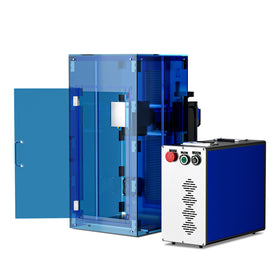
OMTech’s Autofocus Fiber Lasers are designed for precision, speed, and ease of use. The autofocus function automatically adjusts the laser to the metal surface—no manual tuning needed.
Key Features:
-
Autofocus System – Detects surface height and adjusts automatically.
-
Fast Output – High speed without loss of detail.
-
Easy Interface – Intuitive software for beginners and pros alike.
-
Wide Applications – From jewelry to industrial part marking.
Why Choose OMTech?
OMTech offers professional laser engraving systems at accessible prices—making high-end results achievable for small businesses, artists, and workshops.
Final Thoughts: Choosing the Right Tool
The right metal engraving tool depends on your needs. Manual engraving is great for custom, artistic work. Rotary tools help speed up basic jobs. But for the best all-around performance—speed, precision, durability—fiber lasers lead the way.
To take your work to the next level, explore OMTech’s Autofocus Fiber Laser lineup. These machines deliver professional engraving results for artisans, engineers, and business owners.
Browse OMTech’s selection today and start engraving metal with confidence and accuracy.
Frequently Asked Questions (FAQ)
1. What are the main types of tools for metal engraving?
You’ll find three major types: hand-engraving tools (manual chisels or burins), rotary/drag engravers (mechanical bits or diamond tips), and laser machines—especially fiber laser systems—which offer speed, precision and minimal tool wear.
2. When should I use a laser machine instead of rotary or manual tools?
If you need high detail, fast turnaround, or repeated production on metals like stainless steel, aluminium, brass or titanium, a laser machine is often the best choice. For smaller, artistic work and budget constraints, rotary or hand tools can suffice.
3. What should I check when selecting a metal engraving machine?
Look at the metal types you'll work on, the depth and detail required, machine speed and throughput, and whether the tool fits your budget and skill level. The guide emphasises matching your tool to your project needs.
4. What advantages do fiber laser engravers offer for metal?
Fiber laser machines excel at speed, precision, minimal maintenance (no physical contact tool wear), and durability of the markings (resistant to abrasion, heat and corrosion). They’re ideal for serious production or high precision work.
5. Are there scenarios where manual engraving is still preferred?
Yes — when craftsmanship, artistry, and small-batch irregular work matter more than speed or volume. Hand tools give full creative control, though they require more time and skill.
6. What’s the difference between engraving and marking when it comes to metal?
Engraving usually involves deeper material removal for texture or relief; marking often means surface alteration (etching, colouring or shallow cuts) without removing large portions of material. The right machine choice depends on which you need.